News & Insights
How to Choose Silicone Coating Weight: Four Quality Checks Buyers Can Run
Coating weight decides how long a silicone coated fabric lasts. Four hands-on checks — coating content, softness, adhesion and cloth surface — that buyers can run before approving a supplier.
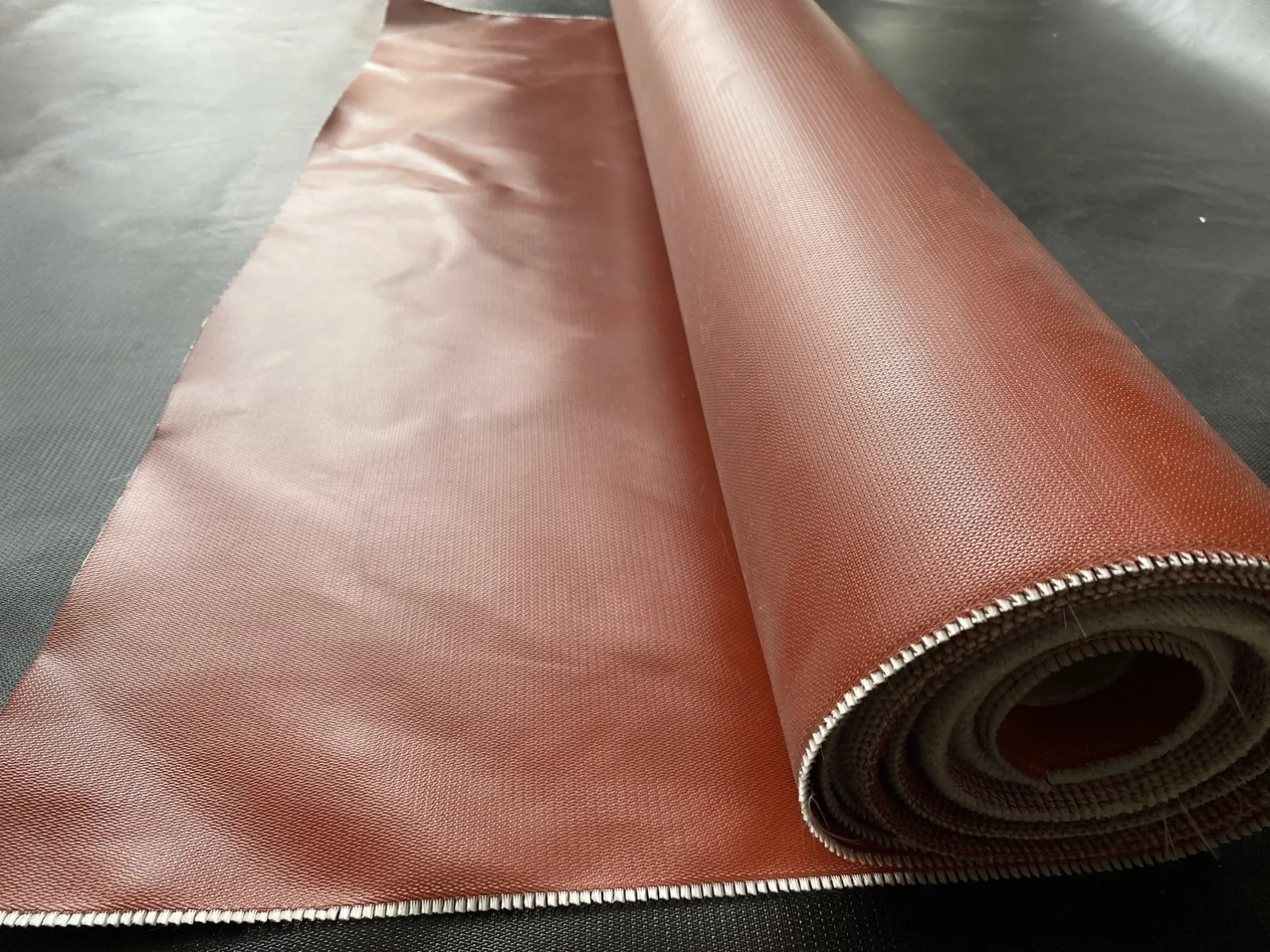
Two rolls of silicone coated fiberglass fabric can carry the same nominal specification and still perform very differently. The difference hides in the coating: how much silicone is actually on the cloth, how well it is bonded, and how uniform the surface is. These are the four checks we teach buyers to run.
Quick Answer
Judge a silicone coated fabric by four things: coating content and surface condition, softness, coating adhesion, and cloth surface quality. Weight ranges run from 200 to 3000 g/m² finished, thickness 0.2–2.0 mm — the right point inside that range depends on spark intensity and working temperature, which is why we set coating weight together with the buyer.
Check 1: Coating Content and Surface
Look at the surface: it should be flat, without porosity, and hit the specified weight. Insufficient coating or heavy porosity sharply reduces insulation performance and shortens service life. Weigh a cut sample and compare against the specified finished weight.
Check 2: Softness
A fabric that feels stiff may contain filler mixed into the silicone to cut cost. Filled silicone cracks at working temperature, loses vibration damping and ages fast. Good silicone coated fabric stays pliable in hand.
Check 3: Coating Adhesion
Rub the coating. On quality fabric the silicone and base cloth stay tightly bonded — no detachment, no coating drop after abrasion. Poor adhesion shows up later as delamination at fold lines and grommet holes.
Check 4: Cloth Surface Quality
The base fabric should show no scratches, no weaving defects and no color difference between rolls, and coating weight uniformity should stay within 5% across the width. These details decide whether sewn products look and perform consistently.
Next Step
Use these four checks on your current supplier’s fabric, then send us the same specification for comparison. Trial orders and sample development are supported.