News & Insights
430 vs 660 vs 840 gsm Fiberglass Fabric: Which Base for Which Job
The same coating behaves differently on different base weights. How 430, 660 and 840 g/m² fiberglass base fabrics differ in weave, strength and best-fit applications.
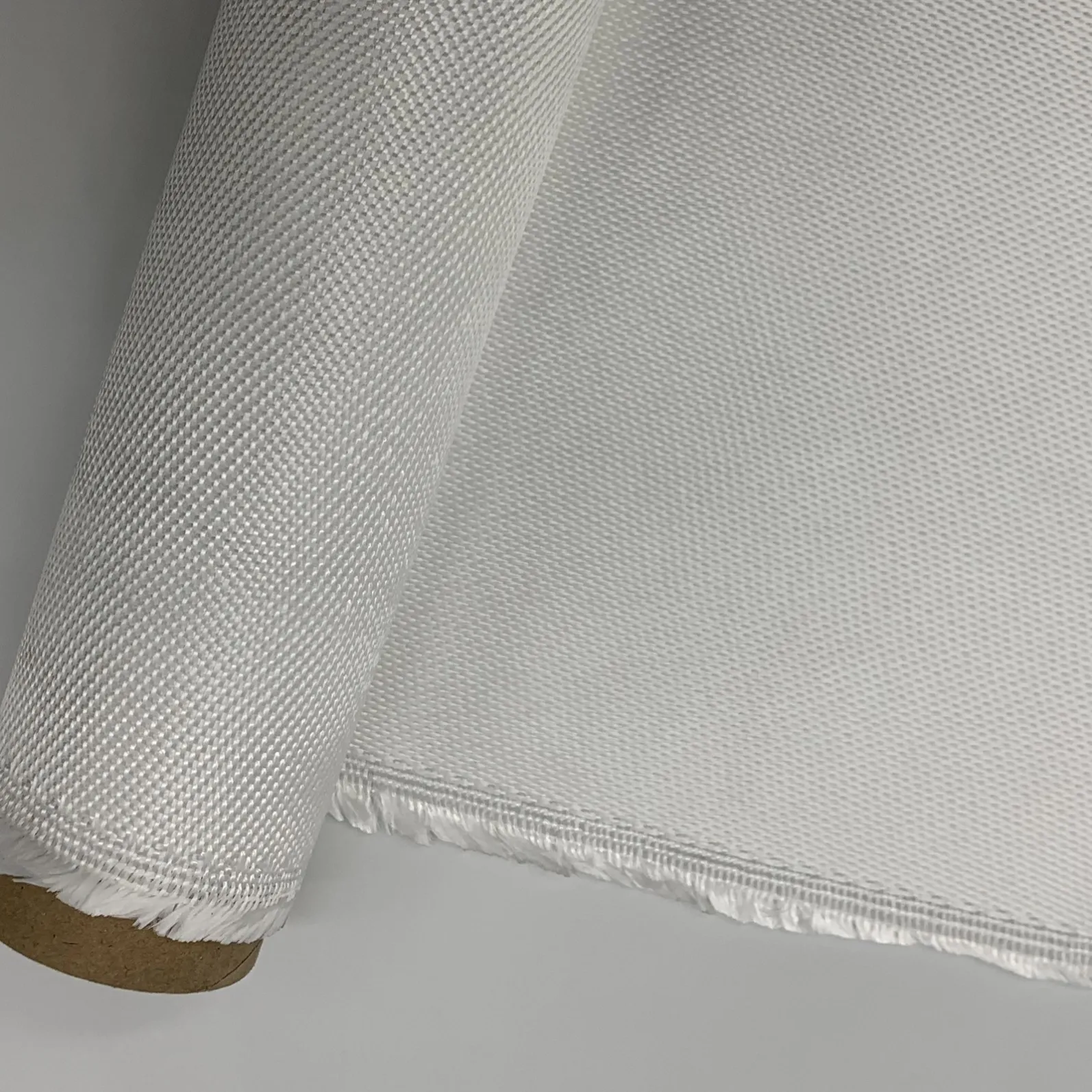
When we recommend 430, 660 or 840 g/m² base fabric under a silicone coating, the numbers are not marketing tiers — they change how the finished product drapes, tears and survives. Here is what actually differs.
Quick Answer
430 g/m² is the light, economical base for general protection. 660 g/m² is the balanced middle weight for repeated industrial use. 840 g/m² is the heavy base for high-intensity duty. Match the weight to spark intensity, mechanical abuse and reuse plans — not to budget alone.
What the Base Fabric Is
The base is woven E-glass fiberglass. Weave matters as much as weight: plain weave is compact and stable — typical for electrical insulation and general reinforcement; twill weave packs more yarn into the same area, giving a denser, stronger yet suppler cloth suited to welding blankets and coating base fabric; satin weave achieves the highest density and strength for mechanically demanding reinforcement. Our standard cloth family includes styles such as 3732 (twill weave, 430 g/m²) and 3788 (satin weave, 1650 g/m²; heat-treated versions serve high-temperature duty).
Where Each Weight Fits
430 g/m²: general welding screens, light insulation jackets, packaging-facing applications where cost per square meter drives the decision. 660 g/m²: repeated-use welding blankets, removable insulation jackets that are installed and removed many times. 840 g/m²: heavy slag environments, equipment covers that take abuse, compensator constructions moving toward the 1000 g/m² class.
Why Not Always Go Heavy
Heavier base costs more per square meter, is stiffer to drape, and can be unnecessary for the duty. Over-specifying wastes money exactly like under-specifying wastes blankets. This is why our quotation asks for the application first, before any number.
Color Note: White and Gold
Standard fiberglass cloth comes in white, or gold when heat-treated. Heat treatment removes the sizing from the fiber surface and prepares the cloth for coating or composite use — it is a process marker, not a cosmetic choice.
Next Step
Tell us the application and abuse level; we return a recommended weight and weave within one working day. Mixed-weight trial orders are supported.